
Diabetes is a chronic condition that affects millions of people worldwide. While it’s widely known for its impact on blood sugar levels, many don’t realize how significantly it can affect eye health. Over time, high blood sugar can lead to serious complications in the eyes, potentially causing vision problems or even blindness. Understanding these effects is essential for early prevention and management.
How Diabetes Affects Eye Health
High blood sugar levels can damage the tiny blood vessels in the eyes, leading to a range of problems. The eyes rely on a healthy blood supply to function properly. When that system is disrupted, it can lead to various conditions that impair vision.
One of the earliest effects is the swelling of the eye’s lens due to excess glucose, which can cause blurred vision. Fortunately, this symptom is often reversible with better blood sugar control. However, long-term complications can be more severe and permanent if left untreated.
Common Diabetes-Related Eye Conditions
People with diabetes are at risk of developing several eye conditions. Each one can affect vision differently and may occur at various stages of diabetes.
1. Diabetic Retinopathy
Diabetic retinopathy is one of the most common and serious eye conditions caused by diabetes. It occurs when high blood sugar damages the blood vessels in the retina, the part of the eye responsible for sensing light and sending signals to the brain. In its early stages, diabetic retinopathy may not show noticeable symptoms. Over time, however, it can cause vision loss and even blindness if not properly managed.
There are two main stages: non-proliferative, where blood vessels weaken and leak, and proliferative, where new, abnormal blood vessels grow, increasing the risk of retinal detachment or bleeding in the eye.
2. Diabetic Macular Edema (DME)
DME often develops from diabetic retinopathy and involves swelling in the macula, the central part of the retina responsible for sharp vision. This can lead to blurred or distorted central vision, making it difficult to read or recognize faces.
3. Cataracts
While cataracts can happen to anyone, people with diabetes tend to develop them earlier and progress faster. A cataract clouds the lens of the eye, leading to blurry or faded vision. Surgery is usually required to replace the cloudy lens with a clear artificial one.
Warning Signs to Watch For
Many eye problems related to diabetes develop slowly and without noticeable symptoms in the early stages. However, some warning signs to watch out for include:
- Blurred or fluctuating vision
- Dark or empty spots in your field of vision
- Difficulty seeing at night
- Seeing floaters or flashes
- Sudden vision loss
If you experience any of these symptoms, it’s important to consult an eye specialist immediately.
Preventing Eye Complications
The good news is that most diabetes-related eye issues can be managed, or even prevented, with early detection and proper care. Here are a few key steps:
1. Control Blood Sugar, Blood Pressure, and Cholesterol
Keeping these levels in check reduces the risk of damage to the blood vessels in your eyes. Following your treatment plan, eating a balanced diet, and exercising regularly can help manage these levels effectively.
2. Schedule Regular Eye Exams
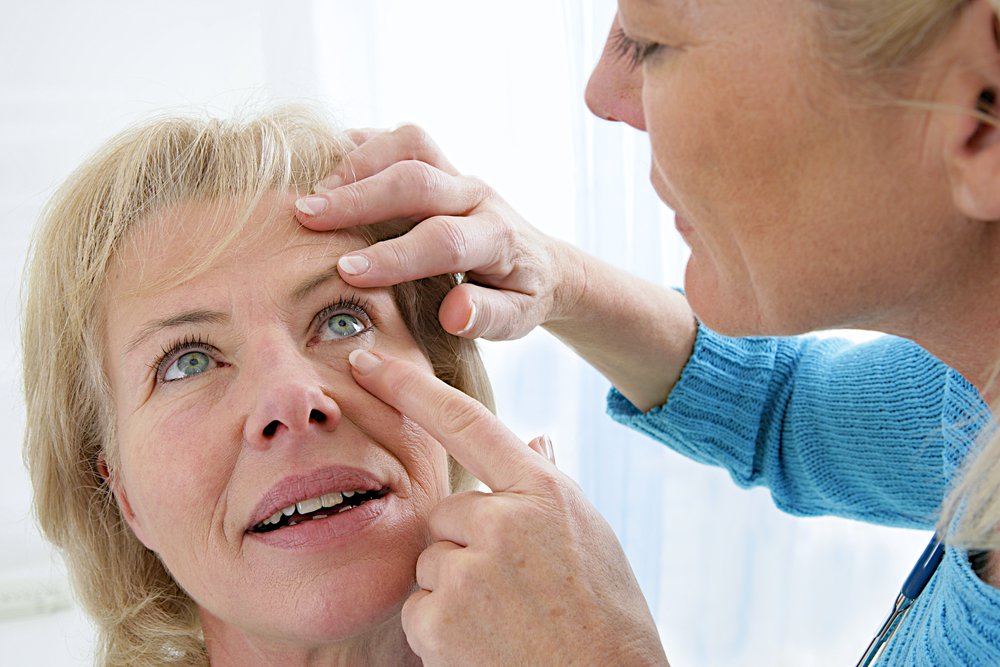
A yearly dilated eye exam is essential for detecting early signs of eye disease. These exams allow eye doctors to see changes in the retina before symptoms appear.
3. Quit Smoking
Smoking increases the risk of diabetic complications, including eye problems. Quitting can improve your overall health and protect your vision.
Living Well with Diabetes
Managing diabetes doesn’t just mean checking your blood sugar, it also means being proactive about your eye health. Conditions like diabetic retinopathy can be silent but serious, so staying informed and vigilant is key.
By taking preventive steps and getting regular eye exams, people with diabetes can protect their vision and maintain a better quality of life. Remember, early action can make all the difference when it comes to your eyes.
Conclusion
Diabetes can have a profound impact on eye health, but the risks don’t have to lead to permanent vision loss. Understanding conditions like diabetic retinopathy, recognizing warning signs, and committing to regular eye care can help preserve your sight for years to come.