
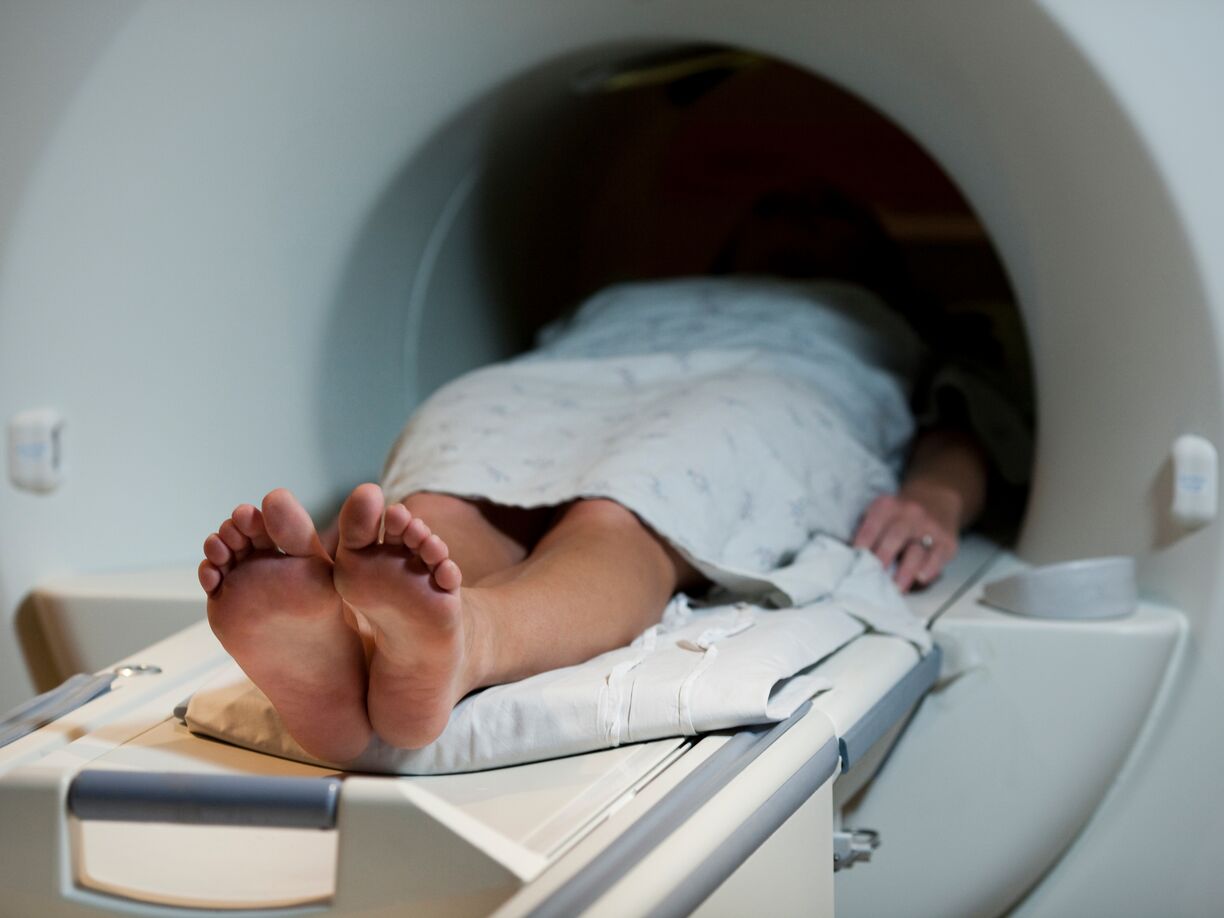
Strangely, many people think about the result before they ever think about the scan. What if everything looks normal? That possibility alone is powerful. The reassurance. The quiet confirmation. For some, that is the real reason advanced imaging enters their wellness planning. Not because something feels wrong. Since they want that calm certainty.
They often begin by reading through a preventive health website, trying to understand whether this type of screening fits their situation. Not urgently. Just carefully. And careful decisions tend to last longer.
Then comes the bigger question
Why scan at all if nothing hurts? It is a fair question. Traditional care usually responds to symptoms. Something changes. A doctor investigates. Treatment follows.
But structural changes inside the body do not always create early signals. Some remain silent for a long time.
That silence makes certain individuals uneasy. Not everyone. But enough.
So instead of waiting, they decide to look. Not dramatically. Just earlier.
What the scan really offers
A full body MRI shows structure. Organs, tissues, internal areas that routine blood tests cannot visually display.
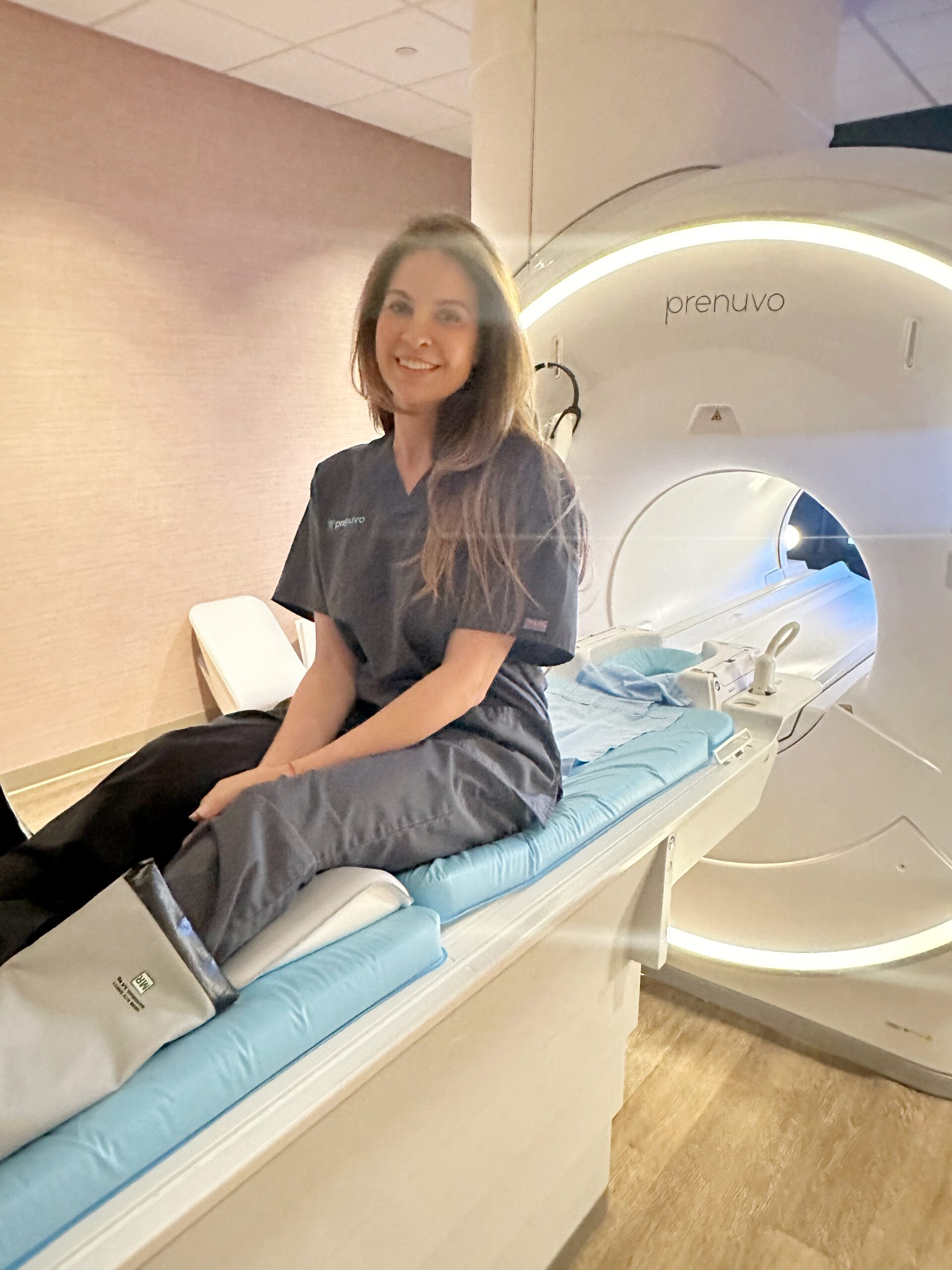
There is no radiation involved. The machine uses magnetic fields to capture layered images. You lie still. The machine hums. Time passes. It can feel slightly uncomfortable at first, mostly because it is unfamiliar.
But once finished, there is no recovery period. Life continues normally. The difference is that now there is data.
The emotional layer people rarely mention
Even confident individuals admit that waiting for results brings a small shift in mood. A little tension. A little curiosity.
And when results return stable, relief does not feel dramatic. It feels grounding. If something minor appears, early awareness often allows calm follow up instead of rushed decisions.
Time makes discussions more thoughtful. Thoughtful decisions usually lead to steadier outcomes.
How this becomes part of wellness planning
Wellness planning used to focus mainly on lifestyle habits. Eat better. Move more. Sleep well. Visit the doctor yearly.
Those remain essential. But some people now add one more element. Structural insight. They do not replace routine care with imaging. They supplement it.
Before scheduling anything, most individuals review details on a trusted website and speak with a healthcare provider. The decision is rarely impulsive. It is considered. Measured.
Not everyone will choose this path
And that is fine. Some feel fully comfortable relying on regular exams alone. Others prefer a deeper look at certain stages of life. There is no universal rule.
But advanced imaging is becoming part of wellness conversations because it offers something simple.
Earlier information. And earlier information, when used wisely, shifts planning from reactive to intentional. That shift is quiet. But it is happening.