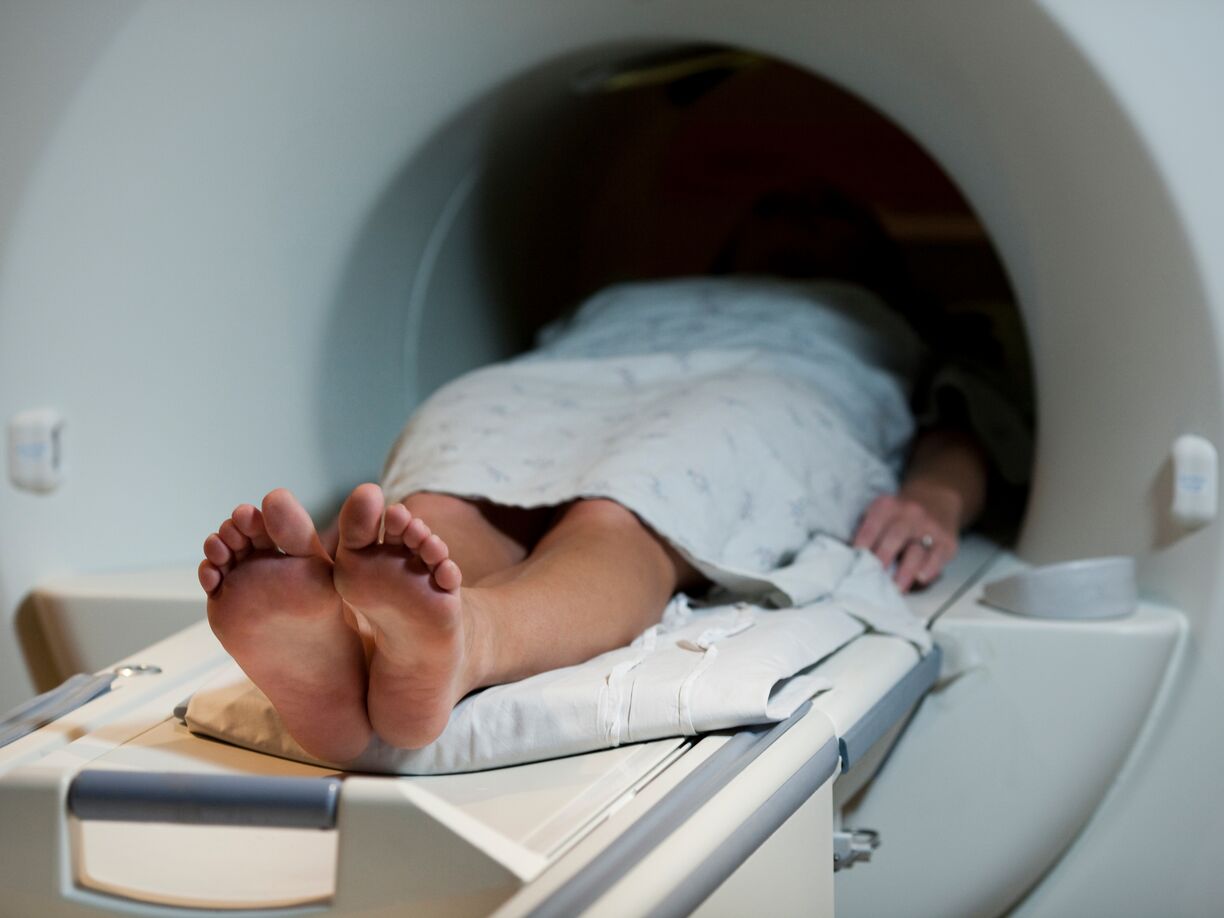

Most people honestly do not spend time thinking about their kidneys. The body just keeps going. You wake up, drink water, eat, work, move around. Everything feels normal.
Meanwhile the kidneys are doing their job the whole time.
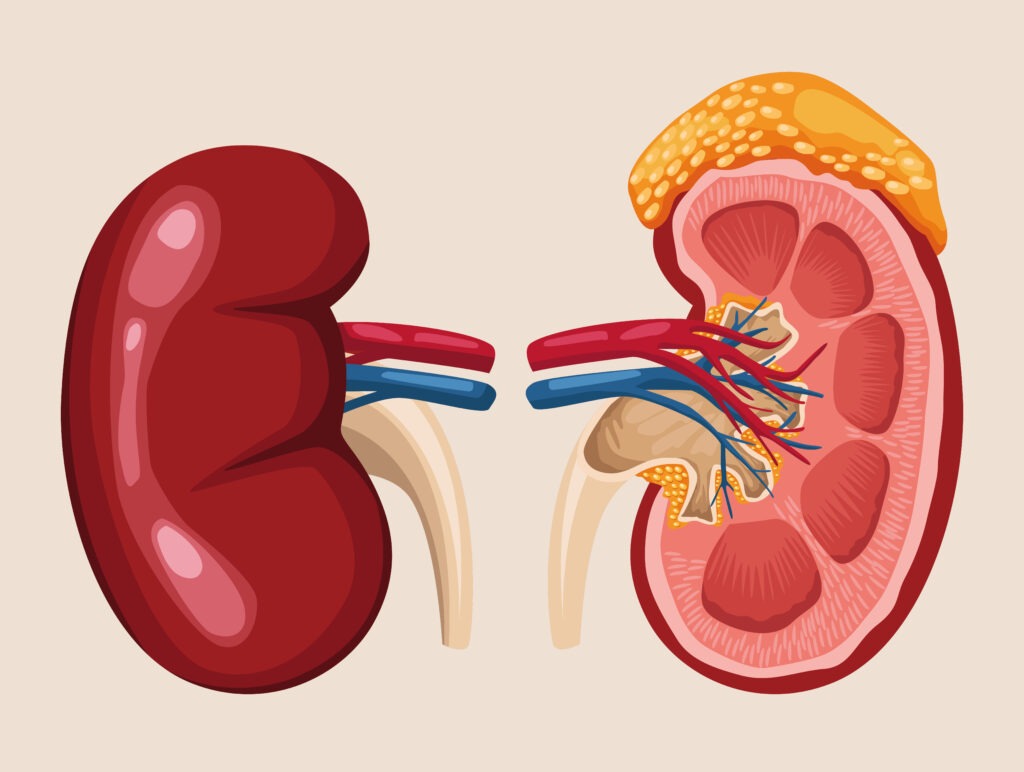
They filter waste from the blood, balance fluids, regulate minerals, and help control blood pressure. Quite a lot for organs that most people never notice. And they do it continuously. All day. Every day.
The strange part is that kidney problems can develop quietly. No obvious signal. No clear warning.
So the body keeps functioning, even when small changes start happening inside. People researching kidney health services often end up reading information through https://www.texaskidneycare.com/lytle/ while trying to understand how kidney monitoring and care typically works.
Simple medical tests doctors use to evaluate kidney health
Kidney checks are usually simple. No complicated procedures in most cases.
Doctors often start with basic tests such as blood work and urine analysis. These tests help measure how well the kidneys filter waste.
A few common checks include:
- Blood creatinine level
- Estimated filtration rate
- Urine protein testing
- Blood pressure monitoring
None of these tests take long. Yet they provide useful information about kidney function.
Sometimes results are perfectly normal. Other times doctors may notice small changes and decide to monitor things more closely over time.
When medical monitoring becomes especially important
Certain conditions make kidney monitoring more important.
Doctors usually recommend regular testing for people who have:
- Diabetes
- High blood pressure
- Family history of kidney disease
- Long term cardiovascular issues
These conditions can affect kidney function slowly over time.
But even then, changes do not always follow the same pattern. Some patients show stable results for years. Others notice gradual shifts that need attention.
It varies. Quite a bit actually.
Which is why doctors prefer observing trends instead of relying on one single test result.
How regular checkups help manage potential kidney concerns
Kidney health is rarely about sudden changes. Most of the time things evolve slowly.
A lab result might shift slightly. Then stay stable for a while. Then move again months later. Doctors watch these patterns carefully.
People exploring kidney care services often review information through https://www.texaskidneycare.com/lytle/ while learning about evaluation methods and ongoing patient support.
Kidneys do not demand attention the way injuries or infections do. They work quietly in the background.
But that quiet work matters more than people realize. Monitoring their health early can help prevent bigger complications later.
Not overnight. Just gradually. Over time.